Most developers don’t fail because of code — they struggle with structure, payments, and positioning.
TL;DR
Set up your software business the right way
Run your software business globally with a UK company, compliant address, and clean payment infrastructure.
You can start a software development business in the UK as a developer — even if you don’t live there.
With a UK Ltd company, a professional business address, and modern payment tools, you can work with clients globally and scale beyond freelancing.
Why many developers start their own business
Most developers begin as freelancers.
Over time:
- projects become larger
- clients become recurring
- income becomes inconsistent
At that point, many developers decide to formalise their work into a business.
Common reasons include:
- working with international clients
- issuing professional invoices
- separating personal and business finances
- building SaaS products
Step 1: Decide what type of software business you are building
Software businesses are not all the same.
Common models include:
- freelance development
- web development agencies
- SaaS startups
- mobile app businesses
- AI consulting
- DevOps / infrastructure consulting
👉 Your structure depends on which path you choose.
Step 2: Choose a business structure
Developers in the UK typically choose between two options.
Sole trader
Best for early-stage testing:
- simple setup
- minimal admin
- quick to start
But there is no separation between you and the business.
Limited company
Most developers eventually move to a UK Ltd company.
Reasons:
- credibility with international clients
- easier integration with payment platforms
- separation of personal and business finances
- better structure for SaaS products
👉 How to open a UK company as a non-resident
Step 3: Register your company
If you choose a limited company, you must register with Companies House.
Every company needs a registered office address.
👉 Registered office address London
Step 4: Set up payment infrastructure
Modern software businesses rely on global payment tools.
Common stack:
- Stripe (SaaS & subscriptions)
- Wise Business (international banking)
- Payoneer (marketplaces & payouts)
Stripe is especially important for:
- SaaS products
- APIs
- developer tools
👉 UK address for Stripe accounts
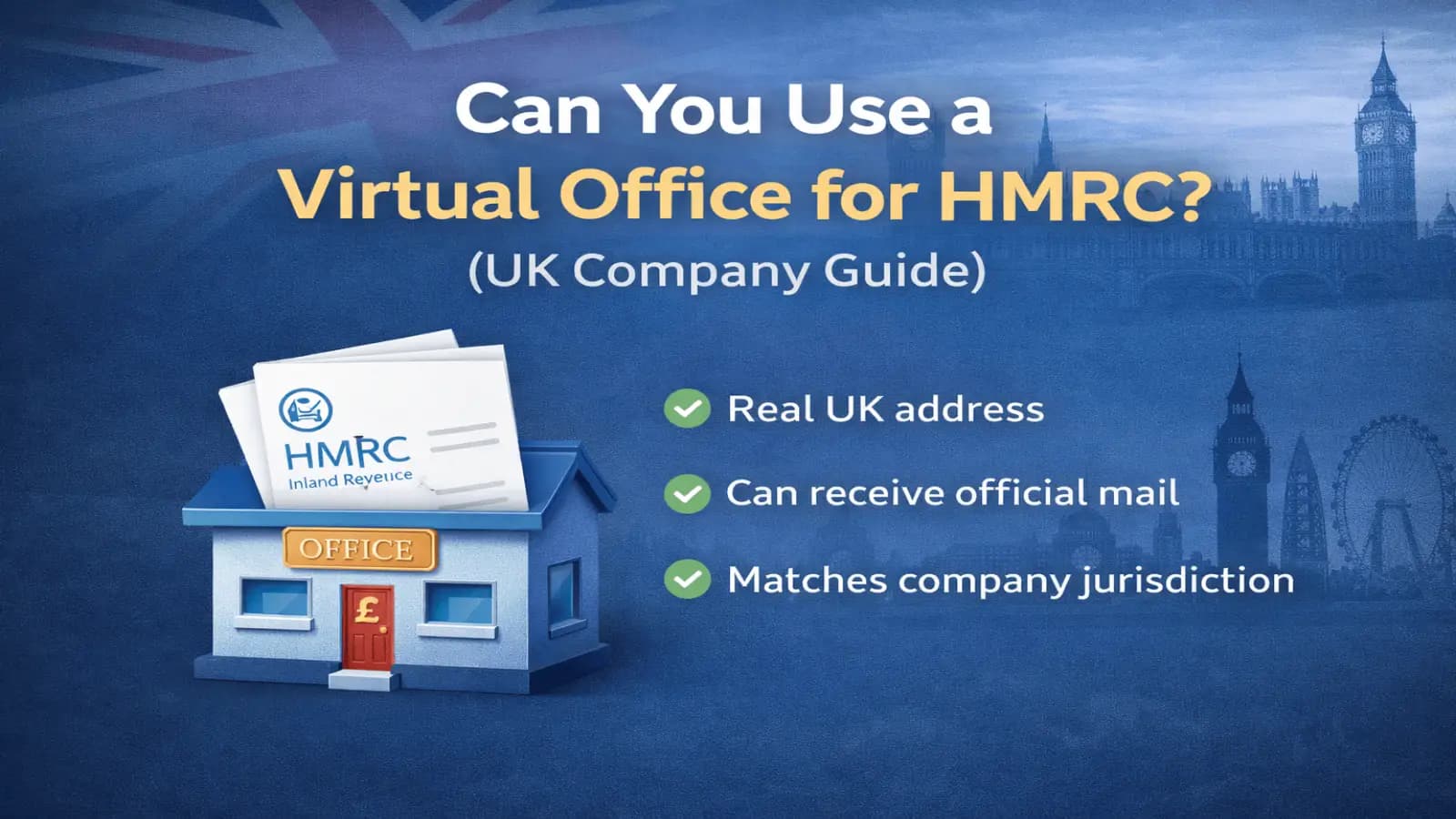
Step 5: Use a professional business address
Most software businesses are fully remote.
But using your home address creates problems:
- your address becomes public
- privacy risks
- lower perceived credibility
That’s why many developers use a
👉 virtual office in London
Step 6: Protect your personal address
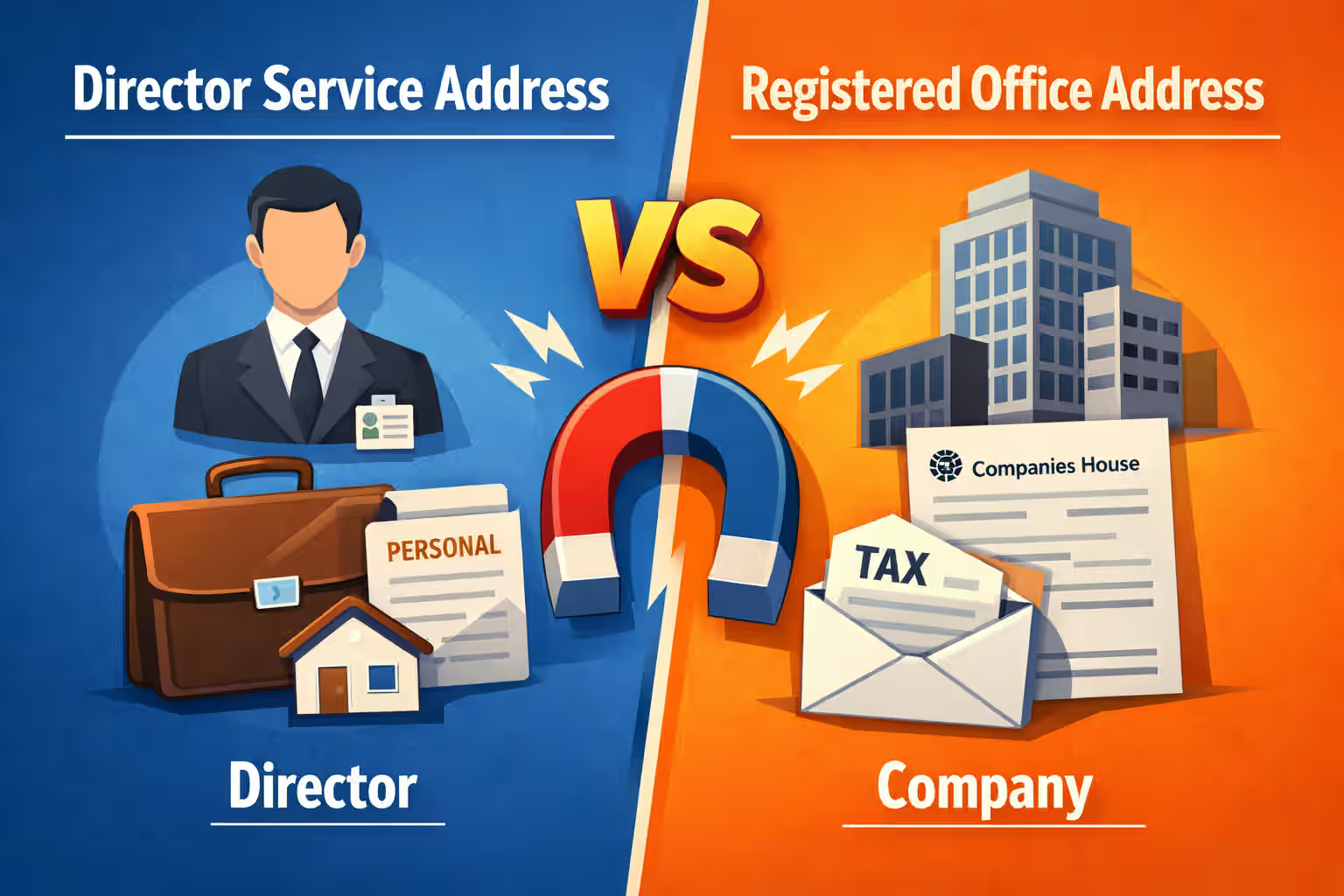
If you run a limited company, director details appear on public records.
However, your home address does not need to be exposed.
A director service address allows you to:
- keep your home private
- remain compliant
- maintain a professional presence
👉 Director service address London
Step 7: Find clients
Developers typically get clients through:
- developer communities
- freelance platforms
- referrals
- open source projects
As you grow, the shift happens:
👉 from “selling hours” → to “building systems or products”
Common mistakes developers make
Not separating business finances
Mixing personal and business money creates long-term issues.
Ignoring contracts
Every project should clearly define:
- scope
- payments
- IP ownership
Underpricing
Many developers price based on time — not value.
A simple checklist for developers
A clean setup usually includes:
- business structure chosen
- company registered
- payment systems configured
- contracts prepared
- portfolio or GitHub ready
Final takeaway
Starting a software development business is straightforward.
Scaling it is not.
The difference comes from:
- structure
- payment infrastructure
- credibility
Many developers operate globally while maintaining a UK company and business address.
🚀 Build a proper foundation for your software business
If you want to work with international clients or launch SaaS products:
✔ Use a UK company structure
✔ Set up a compliant business address
✔ Keep your operations clean and scalable
Disclaimer: This article is for general information only and does not constitute legal or financial advice.