A cleaning business doesn’t need complex tools — it needs consistency, clients, and structure.
TL;DR
Turn your cleaning work into a real business
Set up a proper UK business structure, protect your home address, and present your cleaning company professionally.
You can start a cleaning business in the UK with very low upfront cost.
But to grow beyond small jobs, you’ll need:
- a clear service offering
- consistent clients
- a professional business setup
Why cleaning businesses are popular
Cleaning is one of the most accessible businesses to start.
Key advantages:
- low startup cost
- consistent demand
- flexible hours
- easy to scale with staff
Many founders start with a few clients and grow into a full service company.
Step 1: Choose your niche
Not all cleaning businesses are the same.
Common niches:
- domestic cleaning
- office cleaning
- end-of-tenancy cleaning
- Airbnb / short-let cleaning
- commercial cleaning
- deep cleaning
👉 Specialising can help you grow faster.
Step 2: Choose a business structure
Sole trader
Most people start here:
- simple setup
- low admin
- easy tax reporting
But there is no separation between you and the business.
Limited company
Growing cleaning businesses often switch to a UK Ltd company.
Reasons:
- more professional image (especially for commercial clients)
- separation between personal and business finances
- easier scaling
👉 How to open a UK company as a non-resident
Step 3: Register your business
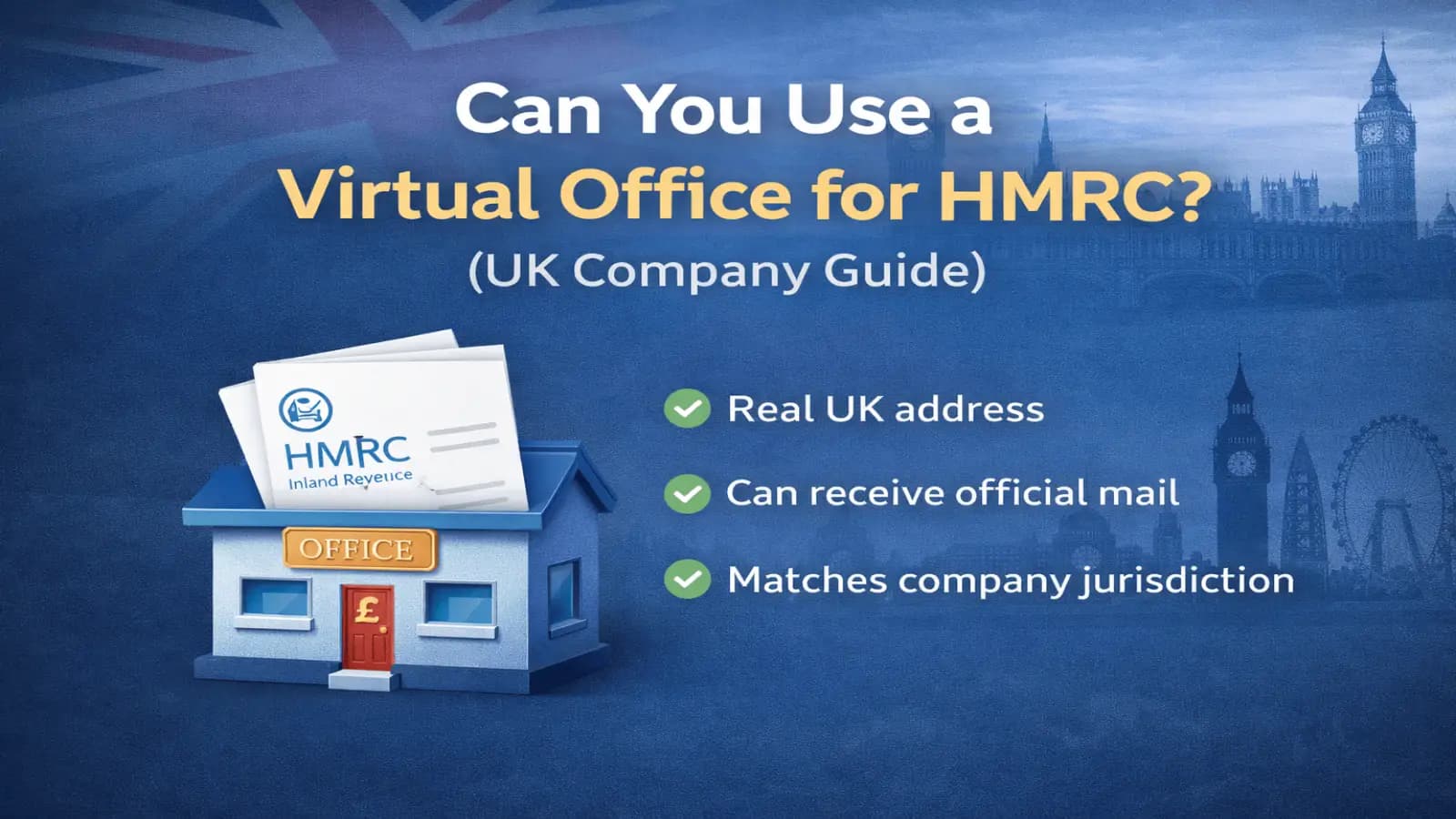
- Sole trader → HMRC
- Ltd company → Companies House
Every company needs a registered office address.
👉 Registered office address London
Step 4: Set up a professional business address
Many cleaning businesses use their home address at first.
But this creates issues:
- your address becomes public
- privacy concerns
- less professional appearance
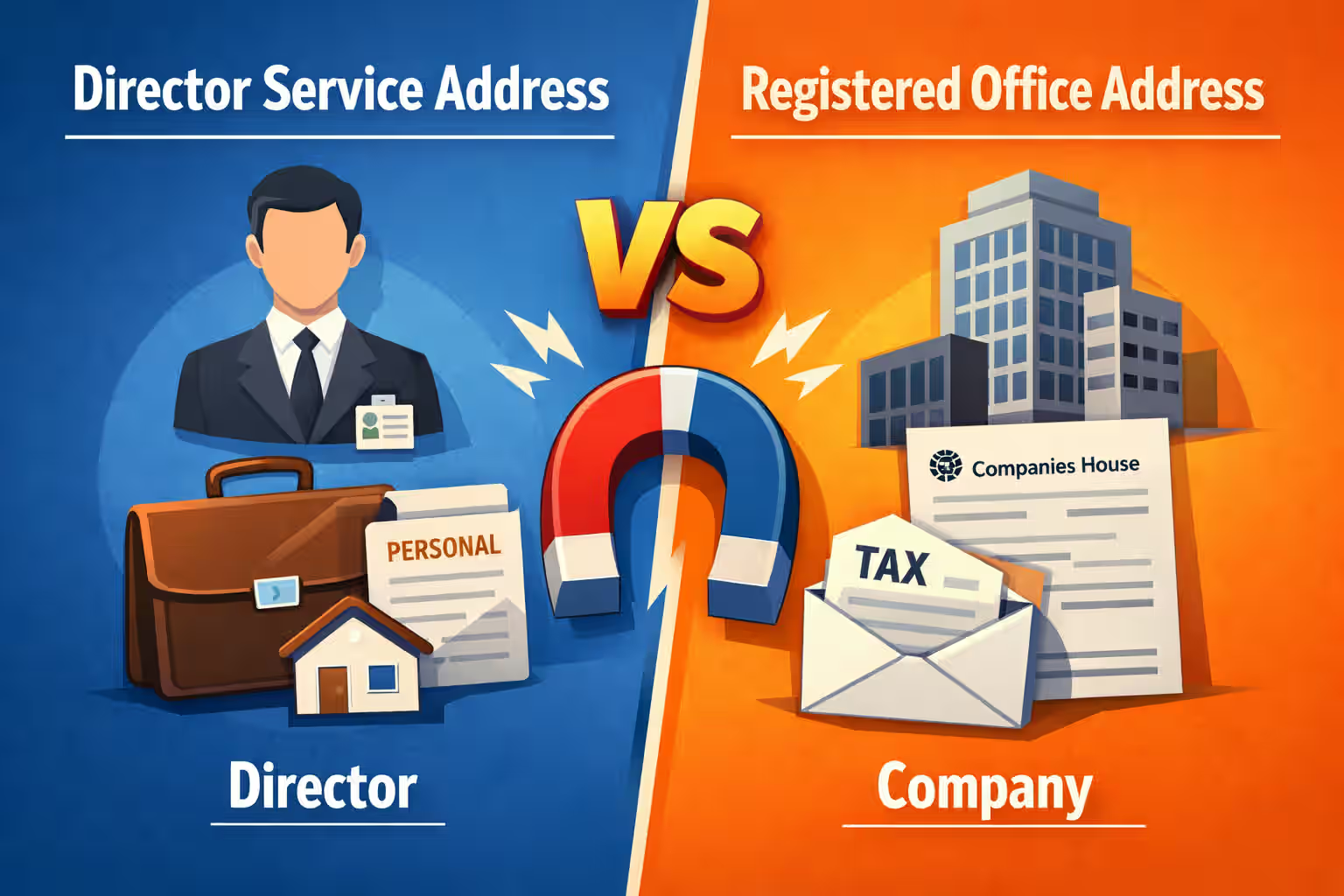
That’s why many founders use a
👉 virtual office in London
Typical setup:
- registered office
- director service address
- digital mail access
Step 5: Insurance and legal basics
Cleaning businesses usually need:
- public liability insurance
- employer’s liability (if hiring staff)
- equipment cover
Many commercial clients require insurance before working with you.
Step 6: Set your pricing
Pricing depends on:
- property size
- type of cleaning
- location
- frequency
Common models:
- hourly rate
- fixed packages
- recurring contracts
👉 Start simple, then optimise.
Step 7: Get your first clients
Most cleaning businesses grow locally.
Common channels:
- Facebook groups
- Google Business Profile
- landlords & property managers
- Airbnb hosts
- local ads
Over time, word-of-mouth becomes your biggest growth driver.
Step 8: Protect your personal address
If you run a limited company, your details appear publicly.
But your home address doesn’t have to.
Use a service address to:
- stay private
- stay compliant
- look more professional
👉 Director service address London
Common mistakes
Underestimating costs
Equipment, travel, and insurance add up.
No contracts
Always define:
- scope
- pricing
- cancellation terms
Scaling too fast
Hiring too early creates operational issues.
A simple checklist
- niche selected
- business registered
- pricing set
- insurance in place
- first clients acquired
- operations organised
Final takeaway
Starting a cleaning business is simple.
Growing it into a stable company requires:
- consistency
- client trust
- structure
Many founders move faster once they separate personal and business operations and present a professional setup.
🧹 Build your cleaning business properly
If you want to work with better clients and grow:
✔ Use a proper business structure
✔ Keep your home address private
✔ Build a credible business presence
Disclaimer: This article is for general information only and does not constitute legal or financial advice.