TL;DR
Stay compliant with a proper UK address
Use a real UK address, receive HMRC letters reliably, and manage your company remotely.
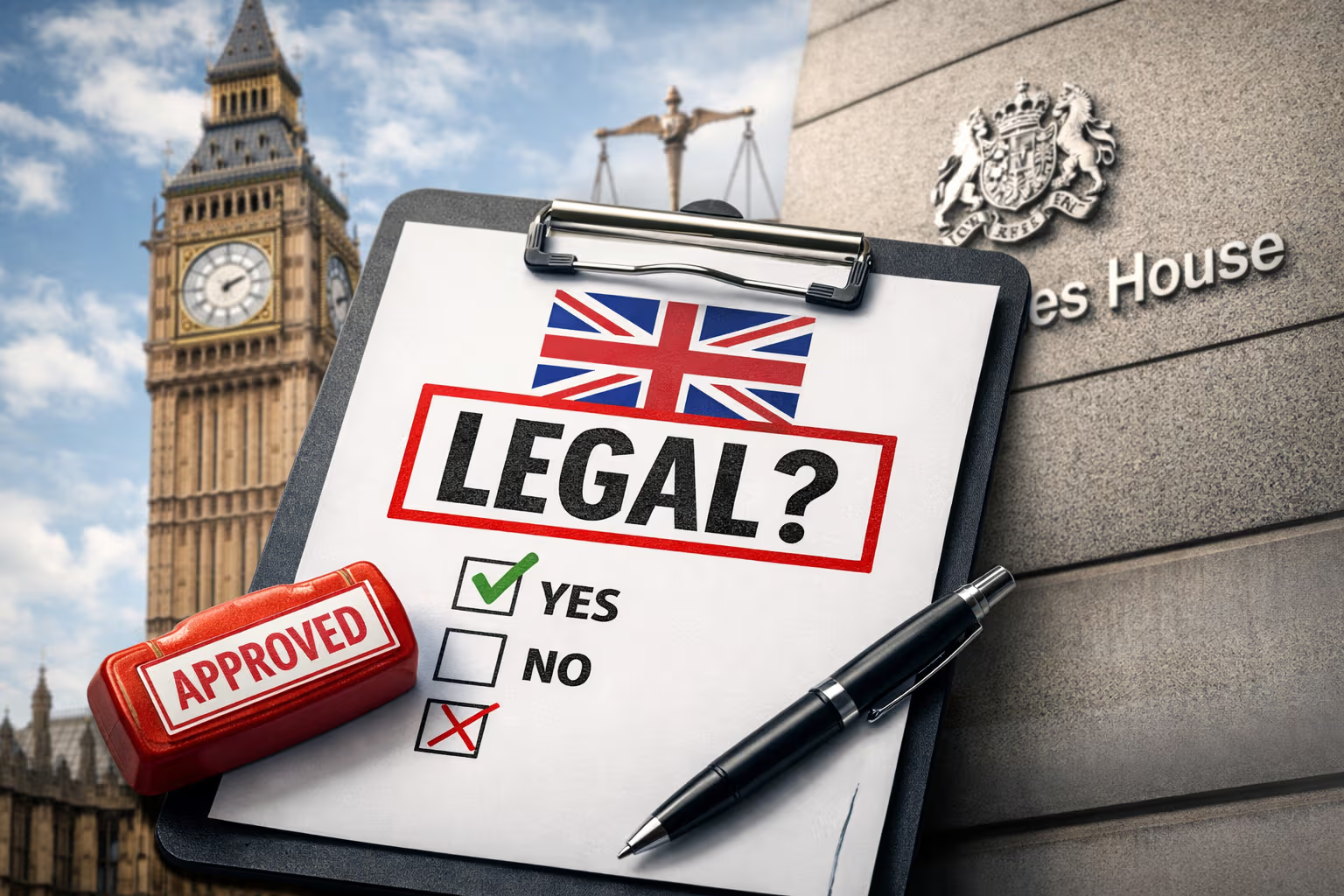
Yes — HMRC accepts virtual office addresses.
But only if the address:
- is a real UK street address
- can receive official mail
- is monitored properly
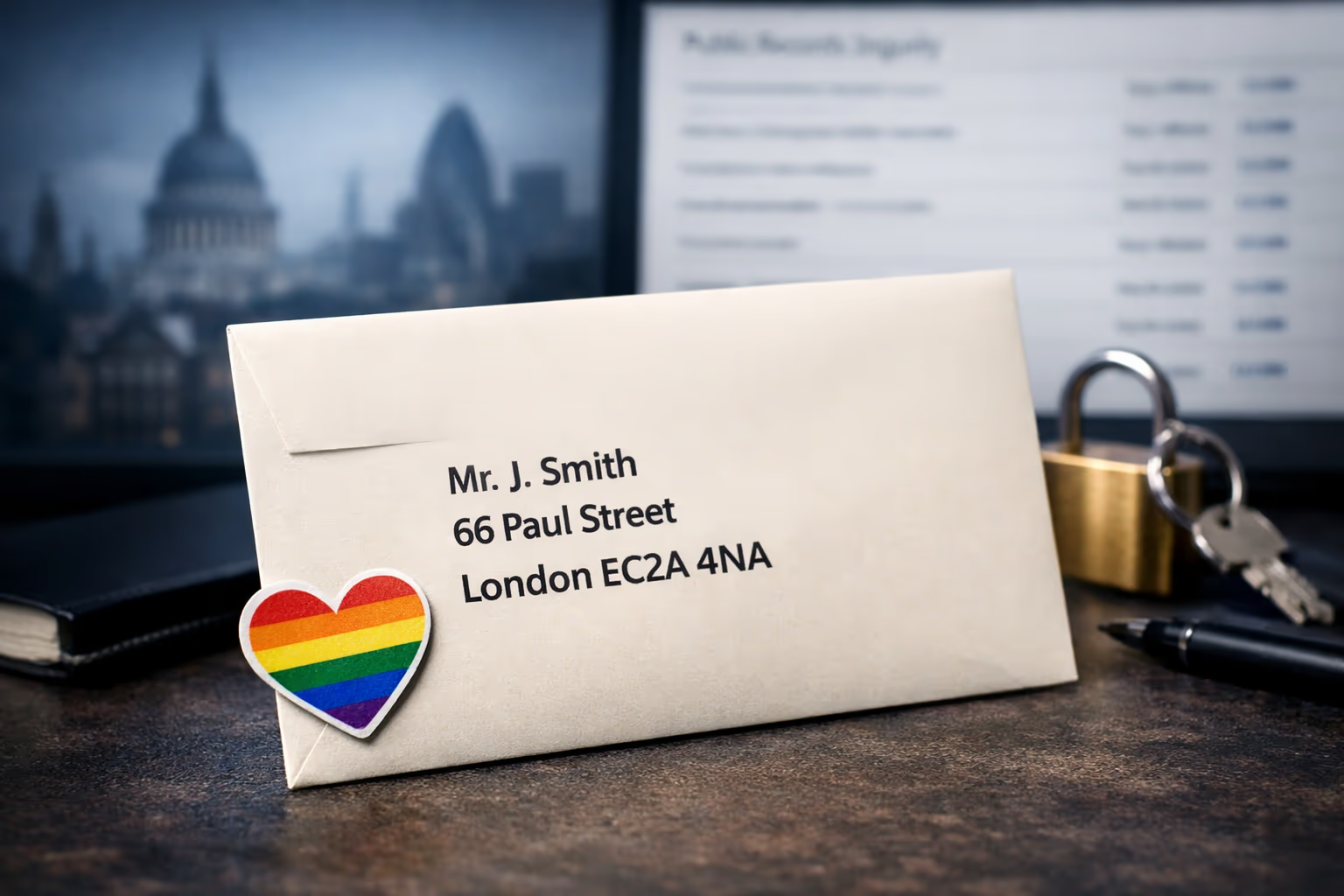
Why HMRC needs your address
HMRC uses your company address to send:
- Corporation Tax letters
- VAT notices
- compliance checks
- reminders and penalties
These are usually sent to your:
👉 registered office address
https://www.gov.uk/register-for-corporation-tax
Does HMRC accept virtual offices?
Yes — and this is very common.
Many UK companies (including international founders) use:
as their registered office.
The key requirement (important)
HMRC doesn’t care what type of address you use.
It cares that:
✔ letters arrive
✔ letters are read
✔ deadlines are met
Why founders use virtual offices
Privacy
Your registered office is public.
Using a virtual office avoids exposing your home address.
Remote operation
You can run your business from anywhere.
Mail access
Many providers offer:
- scanning
- forwarding
- digital access
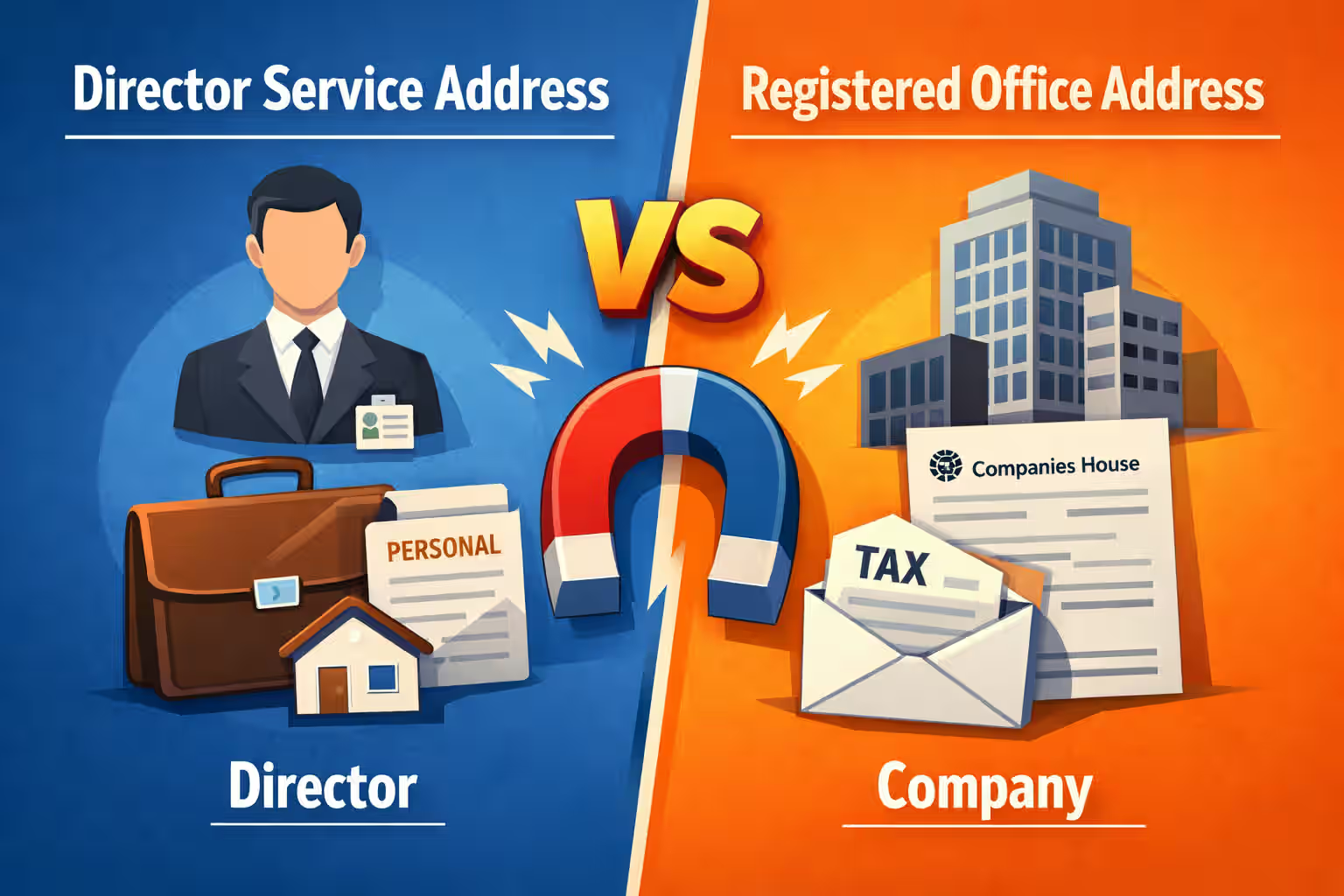
Registered office vs other addresses
This is where confusion happens.
| Address | Purpose |
|---|---|
| Registered office | HMRC + legal mail |
| Service address | Director contact |
| Trading address | Where you operate |
👉 HMRC writes to the registered office
👉 What is a registered office address?
What HMRC actually checks
HMRC does NOT require:
- a physical office
- staff at the location
- business operations there
It DOES require:
- a valid address
- reliable mail handling
- proper compliance
Non-UK founders (very common)
Many founders outside the UK use:
- UK registered office
- service address
- remote operations
👉 Open a UK company as a non-resident
What NOT to use
❌ PO Box only
Not accepted as a registered office.
Real risk founders ignore
The biggest problem is not legality.
It’s:
👉 missing important letters
Examples:
- tax deadlines
- penalties
- verification requests
👉 This is why mail reliability matters more than price
Mini FAQ
Will HMRC visit the address?
Rarely — it’s mainly for correspondence.
Can I change my address later?
Yes — via Companies House.
Can I use my accountant’s address?
Yes — many do.
Final takeaway
A virtual office is fully acceptable for HMRC.
What matters is:
- compliance
- reliability
- proper setup
When done correctly, it allows you to:
✔ run your company remotely
✔ stay compliant
✔ avoid missing important mail
✅ Build a compliant UK setup
If you want:
✔ a real UK address
✔ HMRC-compatible setup
✔ digital mail access
Disclaimer: This article is for general information only and does not constitute legal advice.